

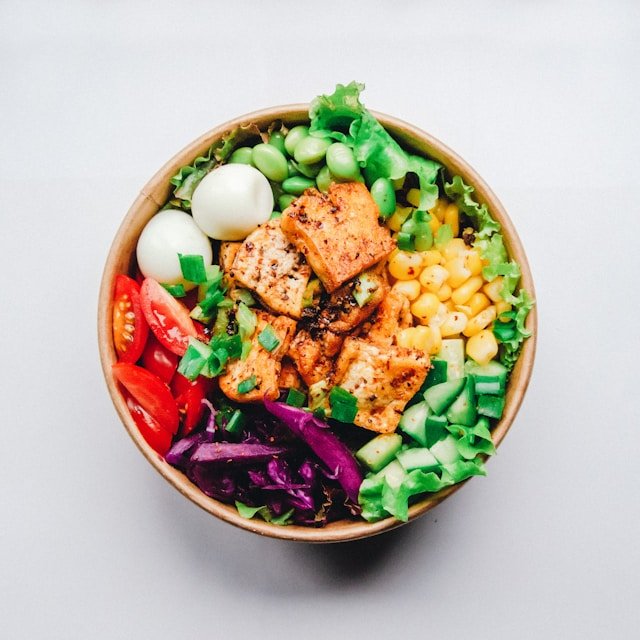

Healthy eating does not have to mean following a complicated diet, eliminating your favorite foods, or spending hours preparing meals. In reality, improving your nutrition often starts with small habits that are easy to practice consistently. Simple changes in what you eat, how you prepare meals, and how you approach food can gradually create a healthier and more balanced eating pattern.
A nutritious diet should provide a variety of foods and essential nutrients while also being practical and enjoyable. Instead of focusing on perfection, it is more helpful to develop sustainable habits that fit your lifestyle.
Below are 10 simple healthy eating habits that can help you improve your overall nutrition and make better food choices every day.
1. Eat a Variety of Fruits and Vegetables
One of the simplest ways to improve your nutrition is to include more fruits and vegetables in your daily meals. They provide important vitamins, minerals, fiber, and other naturally occurring compounds that contribute to a balanced diet.
Try to include different colors and varieties throughout the week. For example, you might add berries or a banana to breakfast, include a salad with lunch, and serve roasted vegetables with dinner.
Make Fruits and Vegetables More Convenient
Keeping fruits and vegetables where they are easy to see and access can encourage you to eat them more often. Wash and prepare produce when appropriate and keep ready-to-use vegetables available for quick meals or snacks.
Frozen vegetables can also be useful when fresh produce is unavailable or inconvenient. The goal is not to make every meal perfect but to make plant-based foods a regular part of your eating routine.
2. Choose Whole Grains More Often
Whole grains can be a valuable source of carbohydrates, fiber, vitamins, and minerals. Foods such as oats, brown rice, whole-grain bread, barley, and whole-grain pasta can add nutritional variety to your meals.
You do not necessarily need to remove refined grains from your diet. Instead, consider replacing some refined grain choices with whole-grain alternatives.
Try Simple Whole-Grain Swaps
Small changes can make this habit easier to follow. For example, try oatmeal for breakfast, whole-grain bread for sandwiches, or brown rice with vegetables and a protein source.
When choosing packaged grain products, check the ingredient list and nutrition information rather than relying only on marketing terms on the front of the package.
3. Include Protein in Your Meals
Protein is an important nutrient that supports many functions in the body. Including a protein source in your meals can also help make meals more satisfying.
There are many protein-rich foods to choose from, including eggs, fish, poultry, yogurt, milk, beans, lentils, chickpeas, tofu, nuts, and seeds.
Build Balanced Meals With Protein
A simple meal structure can include a protein source, vegetables or fruit, and a source of carbohydrates. For example, you could combine grilled chicken with vegetables and potatoes, or serve lentils with rice and a vegetable dish.
Plant-based protein sources can also be incorporated regularly. Beans, lentils, chickpeas, tofu, nuts, and seeds can provide protein while adding variety to meals.
4. Practice Portion Awareness
Healthy eating is not only about what you eat. How much you eat also matters. Paying attention to portion sizes can help you create more balanced meals without requiring strict calorie counting.
Large portions can become easy to overlook, particularly when eating quickly or while distracted. Developing awareness of how much food you serve can help you recognize your body’s hunger and fullness signals.
Use Simple Portion Strategies
You can start by serving a reasonable amount and adding more if you are still hungry. Using smaller plates or bowls may also help you become more aware of portions.
However, portion needs vary from person to person. Factors such as age, activity level, body size, and individual nutritional needs can influence how much food someone requires.
5. Drink Water Regularly
Staying hydrated is an important part of a healthy lifestyle. Water supports normal body functions, and making it your primary beverage can be a simple way to improve your daily habits.
Sugary drinks can add significant amounts of added sugar to the diet. Replacing some of these beverages with water can help reduce unnecessary sugar intake.
Make Water Easier to Drink
Keep a reusable bottle nearby at work, home, or while traveling. If you prefer flavored beverages, try adding lemon, lime, cucumber, mint, or pieces of fruit to your water.
Unsweetened tea can also be an option for people who want variety. Rather than trying to force yourself to drink a large amount at once, make regular hydration part of your daily routine.
6. Reduce Your Reliance on Highly Processed Foods
Not every processed food is unhealthy, and processing itself does not automatically make a food a poor choice. Many useful foods, including canned beans, frozen vegetables, yogurt, and whole-grain products, are processed in some way.
The bigger concern is relying heavily on foods that contain large amounts of added sugar, sodium, or saturated fat while providing limited nutritional variety.
Focus on Better Everyday Choices
Instead of trying to eliminate all packaged foods, focus on the overall pattern of your diet. You might prepare a simple meal using vegetables, whole grains, and a protein source instead of frequently depending on highly processed convenience foods.
Reading nutrition labels can help you compare similar products and choose options that better fit your nutritional goals.
7. Eat More Mindfully
Mindful eating means paying greater attention to what and how you eat. Eating while distracted by television, phones, or work can make it harder to notice hunger and fullness signals.
Slowing down and focusing on your meal can make eating a more enjoyable experience while helping you become more aware of your body’s responses.
Slow Down During Meals
Try putting your utensils down occasionally while eating and take time to appreciate the taste, texture, and aroma of your food. Chewing thoroughly and avoiding rushed meals can also encourage a more relaxed eating experience.
Mindful eating does not require following strict rules. It simply means becoming more present and aware during meals.
8. Plan Your Meals Ahead of Time
Meal planning can make healthy eating easier because it reduces the need to decide what to eat when you are already hungry or short on time.
You do not need to plan every meal for an entire month. Even planning a few meals in advance can help you make more intentional food choices.
Prepare Healthy Foods in Advance
Consider preparing ingredients such as cooked grains, washed vegetables, boiled eggs, or beans ahead of time. Having these foods ready can make it easier to put together a balanced meal during a busy day.
Creating a basic weekly grocery list can also help you purchase the foods you actually intend to eat while reducing unnecessary last-minute purchases.
9. Choose Healthy Fats More Often
Dietary fat is an important part of nutrition, but different sources of fat can contribute differently to an overall eating pattern. Foods such as avocados, nuts, seeds, olives, and certain types of fish provide sources of unsaturated fats.
Instead of viewing all fats as something to avoid, focus on choosing nutritious sources and using appropriate portions.
Add Nutritious Fats to Everyday Meals
You could add nuts or seeds to oatmeal, use olive oil when preparing vegetables, include avocado in a salad, or choose fish as a protein option.
At the same time, it is useful to be mindful of foods that are particularly high in saturated fat and to avoid making them the main source of fat in your diet.
10. Make Healthy Eating Sustainable
Perhaps the most important healthy eating habit is creating an approach that you can maintain over the long term. Extremely restrictive diets may be difficult to follow, especially when they require you to avoid many foods that you enjoy.
Healthy eating should leave room for flexibility. An occasional dessert, restaurant meal, or favorite snack does not automatically undermine an otherwise balanced diet.
Focus on Consistency Instead of Perfection
Rather than trying to change everything at once, choose one or two habits and practice them consistently. Once they become part of your routine, you can gradually introduce additional changes.
For example, you might begin by adding a serving of vegetables to dinner and drinking more water. Later, you could focus on eating more whole grains or preparing meals at home more frequently.
Small improvements can become meaningful when they are repeated over time.
How to Build a More Balanced Eating Pattern
These habits work best when they are combined rather than treated as isolated rules. A balanced meal might include vegetables or fruit, a protein source, a whole-grain or other carbohydrate source, and a moderate amount of healthy fat.
For example, a nutritious lunch could consist of grilled chicken, brown rice, mixed vegetables, and avocado. Another option could be lentils with whole-grain bread, a vegetable salad, and fruit.
The exact foods do not have to remain the same. Variety is valuable because different foods provide different combinations of nutrients.
It is also important to consider your individual needs. Dietary requirements can vary depending on age, activity level, allergies, medical conditions, cultural preferences, and other personal factors. People with specific nutritional or medical concerns may benefit from advice from a qualified healthcare professional or registered dietitian.
Final Thoughts
Improving your overall nutrition does not require a complete transformation of your diet overnight. Simple habits such as eating more fruits and vegetables, choosing whole grains, including protein, drinking water, practicing portion awareness, and planning meals can create a stronger foundation for healthy eating.
The key is consistency. Instead of searching for a perfect diet, focus on making practical choices that you can maintain as part of your normal routine. Over time, these small habits can help you develop a more balanced, varied, and enjoyable approach to nutrition.

