

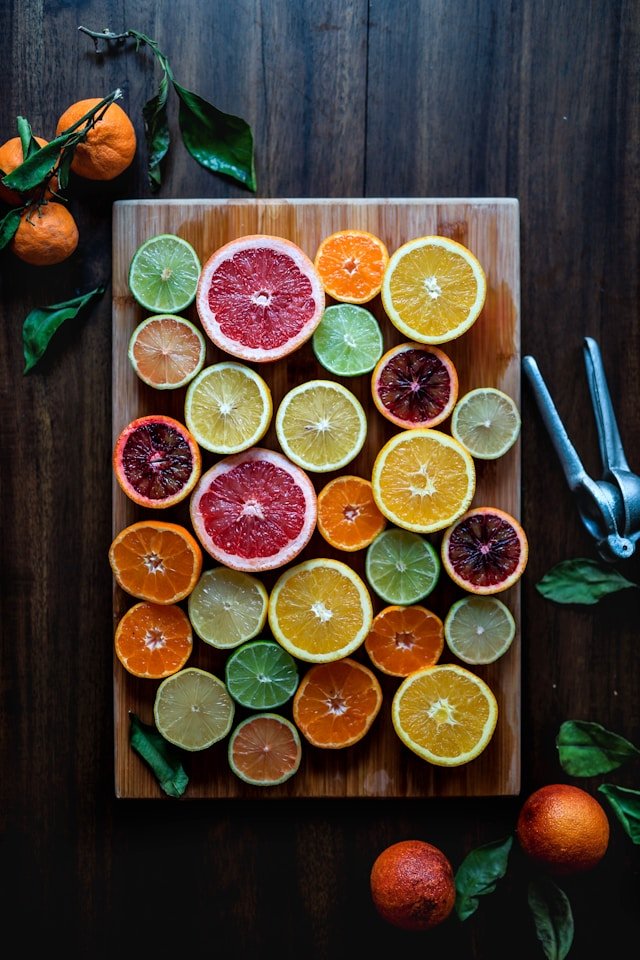

Eating a balanced diet every day does not require complicated meal plans, expensive ingredients, or strict food rules. A healthy eating pattern can be built from familiar foods that provide the nutrients your body needs for energy, normal body functions, and overall well-being.
The key is variety. No single food provides every nutrient your body needs, so eating a mixture of vegetables, fruits, whole grains, protein-rich foods, and healthy sources of fat can help create a more complete diet.
While individual nutritional needs differ, understanding the basic food groups and how to combine them can make everyday eating much easier. Instead of focusing on perfection, aim to make nutritious choices consistently and leave room for flexibility.
What Does Balanced Nutrition Mean?
Balanced nutrition means eating a variety of foods in appropriate amounts so that your diet provides essential nutrients and enough energy for your individual needs.
A balanced eating pattern generally includes:
- Vegetables
- Fruits
- Whole grains and other nutritious carbohydrate sources
- Protein-rich foods
- Healthy sources of fat
- Dairy products or suitable alternatives
- Adequate fluids
The proportions do not have to be identical at every meal. What matters most is the overall pattern of your diet.
For example, one meal may contain more vegetables and protein, while another may include more whole grains and fruit. Variety across the day and week helps provide a broader range of nutrients.
Eat a Variety of Vegetables Every Day
Vegetables are an important part of a healthy diet because they provide fiber, vitamins, minerals, and numerous plant compounds.
Eating different types of vegetables can also make meals more interesting and help increase nutritional variety.
Choose Different Colors
Instead of eating the same vegetable every day, rotate between options such as:
- Spinach
- Broccoli
- Carrots
- Tomatoes
- Bell peppers
- Cauliflower
- Cabbage
- Green beans
- Zucchini
- Sweet potatoes
Different vegetables contain different combinations of nutrients, so variety is more useful than focusing on one “superfood.”
Add Vegetables to Meals You Already Eat
You do not need to create elaborate vegetable-based recipes. Add spinach to eggs, tomatoes to sandwiches, broccoli to rice dishes, or carrots and cabbage to soups.
Small additions throughout the day can make it easier to eat a wider variety of vegetables.
Include Whole Fruits Regularly
Fruits provide carbohydrates, fiber, vitamins, minerals, and other beneficial compounds. Apples, oranges, bananas, berries, pears, peaches, melons, and many other fruits can fit into a balanced diet.
Choose Whole Fruit Often
Whole fruit is a convenient option for breakfast, snacks, or dessert.
You can add berries to oatmeal, slice a banana over yogurt, eat an apple with a handful of nuts, or enjoy an orange after a meal.
Fruit contains naturally occurring sugars, but that does not make it an unhealthy food. Whole fruits also provide fiber and other nutrients.
Make Protein Part of Your Meals
Protein is essential for maintaining and repairing body tissues and supports numerous functions throughout the body.
There are many ways to include protein in your daily diet.
Good sources include:
- Eggs
- Fish
- Chicken
- Lean meats
- Yogurt
- Milk
- Cottage cheese
- Beans
- Lentils
- Chickpeas
- Tofu
- Nuts
- Seeds
Vary Your Protein Sources
You do not need to eat the same protein source every day. Rotating between animal and plant-based options can add variety to your meals.
For example, you might eat eggs at breakfast, beans or chicken at lunch, and fish or lentils at dinner.
People following vegetarian or vegan eating patterns can obtain protein from legumes, soy foods, nuts, seeds, and grains as part of a varied diet.
Choose Nutritious Sources of Carbohydrates
Carbohydrates are an important source of energy and can be part of a healthy diet. Instead of eliminating carbohydrates, focus on choosing nutritious sources more often.
These can include:
- Oats
- Brown rice
- Barley
- Whole-grain bread
- Whole-grain pasta
- Potatoes
- Sweet potatoes
- Beans
- Lentils
- Fruits
- Vegetables
Why Whole Grains Can Be Useful
Whole grains contain fiber and other nutrients that may be reduced when grains are heavily refined.
Try replacing some refined grain products with whole-grain alternatives. For example, choose oatmeal instead of a highly sweetened breakfast product or whole-grain bread instead of refined bread when it suits your preferences.
You do not need to eliminate refined grains completely. The overall quality and variety of your diet are more important than following rigid rules.
Include Healthy Sources of Fat
Dietary fat is essential for normal body function. It provides energy, supports cell structures, and helps the body absorb certain vitamins.
Nutritious sources include:
- Avocados
- Nuts
- Seeds
- Olive oil
- Certain fish
- Nut and seed butters
Pay Attention to Portions
Healthy fats are nutritious but relatively energy-dense. You can include them regularly while still being mindful of portions, particularly if weight management is one of your goals.
A small serving of nuts, seeds, or avocado can add flavor and nutritional value to a meal without requiring large quantities.
Drink Enough Fluids
Hydration is an important part of daily nutrition. Water is a simple choice for regular hydration and can be consumed throughout the day.
Fluid needs vary depending on factors such as activity level, climate, and individual circumstances.
Make Water Your Everyday Default
Keeping water nearby can make drinking regularly easier. Unsweetened tea and other low-sugar beverages can also provide variety.
If you frequently consume sugary drinks, gradually replacing some of them with water or unsweetened alternatives can reduce your intake of added sugar.
Don’t Forget Fiber
Fiber is found in plant foods and contributes to a healthy eating pattern. Fruits, vegetables, legumes, whole grains, nuts, and seeds can all provide fiber.
Simple Ways to Eat More Fiber
You can increase your fiber intake by:
- Choosing whole fruit instead of primarily drinking fruit juice
- Adding beans to soups and salads
- Eating oats or other whole grains
- Adding vegetables to lunch and dinner
- Including nuts or seeds with meals
- Choosing whole-grain bread when practical
If you are increasing fiber substantially, do so gradually and maintain adequate fluid intake.
What Should Breakfast Include?
There is no single breakfast that everyone needs to eat. A useful approach is to combine protein with a nutritious carbohydrate source and fruit or vegetables.
Examples include oatmeal with yogurt and berries, eggs with whole-grain toast and vegetables, or plain yogurt with fruit, oats, and seeds.
Avoid Making Breakfast Entirely About Sugar
Highly sweetened cereals, pastries, and beverages can provide substantial amounts of added sugar while offering less nutritional variety than a balanced meal.
This does not mean you can never enjoy these foods. Simply try to make nutrient-rich foods the foundation of your breakfast more often.
What Should You Eat for Lunch?
Lunch can be as simple as a balanced combination of protein, vegetables, and a nutritious carbohydrate.
For example, a lunch might contain grilled chicken, mixed vegetables, and brown rice. A plant-based option could include lentils, roasted vegetables, and whole-grain bread.
Build Simple Lunches
A sandwich can also be nutritious when made with whole-grain bread, a protein source, and plenty of vegetables.
Salads can become more satisfying when you add beans, eggs, chicken, fish, whole grains, nuts, or seeds rather than relying on vegetables alone.
What Should You Eat for Dinner?
Dinner does not need to be the largest or most complicated meal of the day.
A simple structure is to include a protein source, several vegetables, and a nutritious carbohydrate. Depending on the meal, you can also include a moderate portion of healthy fat.
For example, baked fish with potatoes and vegetables creates a balanced combination. Another option could be lentils with brown rice, mixed vegetables, and avocado.
Are Snacks Necessary Every Day?
Not everyone needs snacks. Some people are comfortable eating three meals, while others prefer smaller meals and snacks throughout the day.
The most useful approach is to consider your hunger, schedule, activity level, and overall dietary needs.
Choose Nutritious Snacks When You Need Them
If you are genuinely hungry between meals, practical options include:
- Fruit with yogurt
- A small serving of nuts
- Vegetables with hummus
- Whole-grain toast with nut butter
- Cottage cheese with fruit
- Plain yogurt with seeds
The purpose of a snack is not to eat simply because food is available. It can be a useful way to support your daily nutritional needs when hunger occurs.
How Much Should You Eat?
There is no universal portion size that works for everyone. Your nutritional needs depend on factors such as age, body size, physical activity, health status, and individual goals.
Instead of relying entirely on strict measurements, you can use general portion awareness.
Build Balanced Plates
A simple strategy is to make vegetables and other plant foods a significant part of your meal, add a protein source, and include an appropriate portion of carbohydrates and healthy fats.
This provides flexibility without requiring every meal to be calculated precisely.
Should You Avoid Sugar and Processed Foods?
A healthy diet does not require eliminating every processed food. Processing ranges from simple preparation methods to highly formulated products, and some processed foods can still be nutritious.
However, foods and beverages high in added sugars, sodium, or certain types of fats may be better consumed less frequently than nutrient-rich whole and minimally processed foods.
Focus on What You Can Add
Instead of creating a long list of forbidden foods, focus on adding more nutritious choices.
If you regularly eat vegetables, fruits, legumes, whole grains, and protein-rich foods, you can still enjoy favorite foods that may provide fewer nutrients.
This flexible approach can make healthy eating easier to maintain.
Create a Simple Daily Eating Pattern
A balanced day might look something like this:
Breakfast: Oatmeal with berries, yogurt, and nuts.
Lunch: Chicken or lentil salad with whole-grain bread and vegetables.
Snack: An apple with a small serving of nuts.
Dinner: Fish or tofu with potatoes, vegetables, and a moderate amount of avocado.
These are examples, not strict requirements. You can substitute foods based on your culture, budget, dietary preferences, and availability.
Plan Your Food for the Week
Planning can make healthy eating more convenient. Before shopping, think about several meals you can prepare using ingredients that overlap.
For example, cooked vegetables can be used in omelets, grain bowls, soups, and side dishes. Beans can be added to salads, wraps, and rice dishes.
Keep Nutritious Convenience Foods Available
Healthy eating does not always require cooking from scratch.
Frozen vegetables, canned beans, plain yogurt, eggs, whole-grain bread, canned fish, and fresh or frozen fruit can make it easier to prepare balanced meals quickly.
Convenience and nutrition do not have to be opposites.
Listen to Your Body
Hunger and fullness can provide useful information about when and how much to eat.
Eating slowly and paying attention to your meal can make it easier to recognize satisfaction.
Avoid the All-or-Nothing Approach
You do not need to eat perfectly every day. An occasional restaurant meal, dessert, or favorite snack does not cancel out an otherwise balanced diet.
If you have a less nutritious meal, simply return to your normal routine at the next opportunity.
Long-term consistency matters more than perfection.
Final Thoughts
So, what should you eat every day? The answer is not a rigid menu or a list of mandatory foods. A healthy daily diet should include a variety of vegetables, whole fruits, nutritious carbohydrate sources, protein-rich foods, healthy fats, and adequate fluids.
The most important principle is variety. Different foods provide different combinations of nutrients, so building meals from several food groups can help you meet your nutritional needs.
Aim to make nutrient-rich foods the foundation of your diet while keeping portions appropriate for your individual needs. Plan meals when possible, keep convenient healthy ingredients available, and allow yourself flexibility rather than following unnecessary restrictions.
Balanced nutrition is ultimately about creating an eating pattern that you can maintain. When healthy choices become part of your normal routine rather than a temporary diet, it becomes much easier to support your energy, nutritional needs, and overall health over the long term.

