

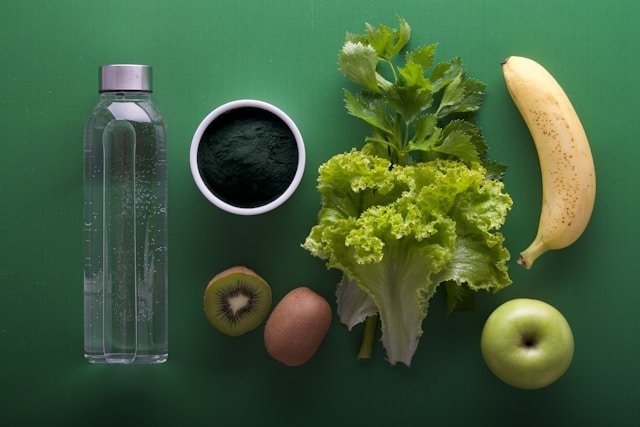

A healthy weight loss diet does not have to be based on strict restrictions or extremely small meals. One of the most practical approaches is to focus on nutrient-dense foods that provide important vitamins, minerals, protein, fiber, and other nutrients while helping you create satisfying meals.
Nutrient-dense foods can make it easier to build a balanced eating pattern because they provide substantial nutritional value without relying heavily on added sugars, excessive sodium, or highly refined ingredients. When combined with appropriate portions and a varied diet, these foods can support healthy weight management while helping you maintain adequate nutrition.
The goal is not to find a single food that causes weight loss. Instead, it is to choose a variety of nutritious foods that can become regular parts of meals and snacks.
What Are Nutrient-Dense Foods?
Nutrient-dense foods provide a range of essential nutrients relative to the amount of energy they contain. They can include fruits, vegetables, legumes, whole grains, lean protein sources, dairy products, nuts, seeds, and other minimally processed foods.
A nutrient-dense eating pattern can help you obtain more nutritional value from your meals while leaving room for flexibility.
For weight management, it is useful to combine nutrient density with portion awareness. Even nutritious foods can contribute substantial amounts of energy when eaten in very large quantities.
1. Leafy Green Vegetables
Leafy greens are among the most versatile foods you can add to a healthy diet. Spinach, kale, lettuce, collard greens, and similar vegetables provide vitamins, minerals, fiber, and other beneficial plant compounds.
They can add volume and texture to meals without requiring complicated preparation.
Easy Ways to Eat More Leafy Greens
Add spinach to eggs or smoothies, use lettuce in sandwiches, include kale in salads, or add cooked greens to soups and stews.
You can also combine leafy greens with a protein source and a whole grain to create a more complete meal.
2. Berries and Other Whole Fruits
Whole fruits can be useful in a weight-conscious eating pattern because they provide fiber, vitamins, minerals, and naturally occurring carbohydrates.
Berries such as strawberries, blueberries, raspberries, and blackberries are especially convenient additions to breakfast and snacks. Apples, oranges, pears, peaches, and other fruits can also contribute important nutrients.
Choose Whole Fruit More Often
Whole fruit is generally more filling than beverages made primarily from fruit because it retains its fiber and requires chewing.
Fruit can be added to oatmeal, yogurt, salads, or eaten on its own as a simple snack.
There is no need to eliminate naturally sweet foods such as fruit when trying to manage your weight.
3. Eggs
Eggs are a convenient source of high-quality protein and provide several vitamins and minerals. They can also be prepared in many different ways, making them practical for breakfast, lunch, or dinner.
Build Balanced Meals With Eggs
Eggs can be paired with vegetables and whole-grain toast for breakfast or incorporated into a vegetable omelet.
Adding vegetables and other nutritious foods to the meal can increase its overall nutritional variety.
4. Fatty Fish
Fish can be an excellent source of protein, and some varieties provide omega-3 fatty acids along with other nutrients.
Examples include salmon, sardines, mackerel, and trout.
Include Fish as a Regular Protein Option
Instead of relying on the same protein source every day, rotate fish with poultry, beans, lentils, eggs, and other foods.
Grilled, baked, steamed, or otherwise simply prepared fish can form the center of a balanced meal alongside vegetables and a nutritious carbohydrate source.
5. Lean Poultry
Chicken and turkey can provide protein while fitting easily into many different meals. Protein can help make meals satisfying and is important for maintaining body tissues.
Keep Preparation Simple
Grilling, baking, roasting, or cooking poultry with moderate amounts of added fat can make it easy to incorporate into a balanced diet.
Combine chicken or turkey with vegetables, beans, potatoes, brown rice, or other nutritious foods rather than relying on highly processed preparations.
6. Beans and Lentils
Beans and lentils are particularly useful nutrient-dense foods because they provide plant-based protein, fiber, carbohydrates, and several minerals.
Options include black beans, kidney beans, chickpeas, green lentils, red lentils, and other varieties.
Add Legumes to Everyday Meals
Beans can be added to salads, soups, wraps, rice dishes, and vegetable-based meals. Lentils work well in soups, stews, curries, and grain bowls.
Because legumes provide both protein and fiber, they can be a practical choice for people who want filling plant-based foods.
7. Greek Yogurt and Other Nutritious Dairy Foods
Plain Greek yogurt can provide protein and calcium and can be used in both sweet and savory meals.
Milk, cottage cheese, kefir, and other dairy products can also contribute protein and essential nutrients.
Watch Added Sugar
Flavored yogurt products can contain significant amounts of added sugar. Choosing plain yogurt and adding fruit, nuts, or seeds yourself gives you more control over the ingredients.
People who avoid dairy can consider suitable fortified alternatives depending on their nutritional needs.
8. Oats and Other Whole Grains
Whole grains can provide carbohydrates, fiber, vitamins, minerals, and other nutrients. Oats are especially versatile and can be used for breakfast, snacks, or even savory meals.
Other options include brown rice, barley, quinoa, bulgur, and whole-grain bread or pasta.
Use Whole Grains as Part of Balanced Meals
A bowl of oatmeal with fruit, yogurt, and nuts can provide several food groups in one meal. Similarly, brown rice or quinoa can be combined with vegetables and beans or another protein source.
Whole grains do not need to be avoided for weight management. The focus should be on appropriate portions and the overall quality of the meal.
9. Potatoes and Sweet Potatoes
Potatoes are sometimes excluded from weight loss diets, but they can be part of a nutritious eating pattern. Potatoes and sweet potatoes provide carbohydrates and several nutrients.
The way they are prepared can make a significant difference to the overall meal. Boiled, baked, or roasted potatoes can be incorporated into balanced meals without needing excessive amounts of added fat.
Pair Potatoes With Protein and Vegetables
Instead of treating potatoes as the entire meal, combine them with vegetables and a protein source.
For example, baked potatoes can be served with beans and vegetables, while roasted sweet potatoes can accompany fish and a salad.
10. Avocados
Avocados provide fiber, vitamins, minerals, and predominantly unsaturated fats. They can add flavor and texture to a wide range of meals.
Because avocados are relatively energy-dense, portion awareness can be useful when weight loss is the goal.
Use Avocado as a Meal Component
A moderate portion can be added to salads, whole-grain toast, sandwiches, grain bowls, or vegetable dishes.
Rather than combining large portions of several energy-dense foods in the same meal, use avocado as one of several sources of healthy fat.
11. Nuts and Seeds
Nuts and seeds contain protein, fiber, healthy fats, vitamins, and minerals. Almonds, walnuts, pistachios, chia seeds, flaxseeds, pumpkin seeds, and sunflower seeds can all add nutritional value to meals.
Keep Portions Reasonable
Nuts and seeds are nutrient-dense but also energy-dense. A small portion can be enough to add flavor and nutrients.
Try sprinkling seeds over oatmeal or yogurt, adding nuts to a salad, or enjoying a small serving as a snack.
12. Cruciferous Vegetables
Broccoli, cauliflower, cabbage, Brussels sprouts, and similar vegetables are useful additions to a healthy diet. They provide fiber, vitamins, minerals, and various plant compounds.
Make Vegetables More Interesting
If you find plain vegetables boring, experiment with roasting, steaming, grilling, or adding herbs and spices.
You can also incorporate cauliflower into soups or rice-style dishes, add broccoli to stir-fries, or roast Brussels sprouts as a side dish.
The best preparation method is the one that makes nutritious foods enjoyable enough to eat regularly.
13. Tomatoes and Colorful Vegetables
Tomatoes, peppers, carrots, squash, and other colorful vegetables provide a variety of vitamins, minerals, fiber, and plant compounds.
Eating different colors throughout the week is an easy way to increase dietary variety.
Add Vegetables to Foods You Already Enjoy
You do not need to create completely new recipes. Add tomatoes and peppers to eggs, vegetables to pasta, carrots to soups, or spinach to sandwiches.
Simple additions can gradually increase the nutritional value of familiar meals.
14. Cottage Cheese
Cottage cheese can be a convenient protein-rich food and can be paired with fruit, vegetables, whole-grain foods, or used in recipes.
Choose varieties that fit your personal nutritional preferences, particularly when considering sodium content.
Use It for Convenient Snacks
Cottage cheese with fruit can make a simple snack, while cottage cheese with vegetables and whole-grain crackers can create a more savory option.
15. Apples and Pears
Apples and pears are convenient whole fruits that provide fiber and other nutrients. Their portability makes them particularly useful for people who need quick snacks during busy days.
Instead of relying on highly processed snacks whenever hunger appears, keeping whole fruit available can make nutritious choices easier.
How to Combine Nutrient-Dense Foods for Weight Loss
Choosing nutritious foods is only one part of creating a healthy weight loss diet. Combining foods strategically can make meals more balanced and satisfying.
A simple formula is to include:
Protein + vegetables or fruit + nutritious carbohydrate + moderate healthy fat
For example, you could have grilled chicken with roasted vegetables, brown rice, and a small amount of avocado. Another meal could include lentils, mixed vegetables, whole-grain bread, and yogurt.
The exact combination does not matter as much as creating variety and maintaining reasonable portions.
Don’t Forget Fiber
Fiber is found naturally in foods such as vegetables, fruits, legumes, whole grains, nuts, and seeds. Including a variety of fiber-rich foods can support a healthy eating pattern.
If your current diet is low in fiber, increase fiber-containing foods gradually and make sure you drink enough fluids.
Easy Ways to Increase Fiber
Try adding beans to soups, choosing whole grains more often, eating whole fruits instead of relying primarily on fruit juice, and adding vegetables to lunch and dinner.
Small changes can make your meals more nutritious without requiring a complete change in your diet.
Limit Highly Processed Foods Without Banning Them
A healthy weight loss diet does not require eliminating every processed food. Some processed foods can be nutritious and convenient.
However, foods that are frequently high in added sugar, sodium, saturated fat, or refined ingredients may be less nutrient-dense than whole or minimally processed alternatives.
Instead of creating a long list of forbidden foods, focus on what you can add to your diet.
If most meals contain vegetables, fruits, protein-rich foods, whole grains, and other nutrient-dense choices, there is room for occasional less nutritious foods.
Practice Portion Awareness
Nutrient-dense foods can support weight management, but portions still matter. Nuts, seeds, avocados, oils, whole grains, and other nutritious foods can provide substantial energy when consumed in large quantities.
You do not necessarily need to count calories to develop portion awareness.
Listen to Hunger and Fullness Signals
Eat slowly and pay attention to how your body feels during meals. Start with a reasonable serving and allow yourself to have more if you are still hungry.
This approach can be more sustainable than following extremely restrictive portion rules.
Plan Your Meals Ahead
Meal planning can make healthy food choices easier, particularly during busy periods. Having nutrient-dense ingredients available reduces the need to rely on whatever food happens to be most convenient.
A simple grocery list might include:
- Leafy greens
- Seasonal fruits
- Eggs
- Fish or poultry
- Beans and lentils
- Whole grains
- Yogurt or suitable alternatives
- Nuts and seeds
- A variety of colorful vegetables
Preparing some ingredients in advance can also make it easier to assemble balanced meals during the week.
Final Thoughts
The best nutrient-dense foods for a healthy weight loss diet are not limited to a short list of so-called “diet foods.” Vegetables, fruits, whole grains, beans, lentils, eggs, fish, poultry, yogurt, nuts, seeds, potatoes, and other nutritious foods can all have a place in a balanced eating pattern.
The key is to focus on variety, appropriate portions, and overall dietary quality. Rather than trying to survive on a handful of low-calorie foods, build satisfying meals that provide protein, fiber, vitamins, minerals, and healthy fats.
Sustainable weight management is more achievable when your diet is nutritious, enjoyable, and realistic. By making nutrient-dense foods the foundation of your meals and allowing reasonable flexibility, you can create an eating pattern that supports both your nutritional needs and your long-term goals.

