

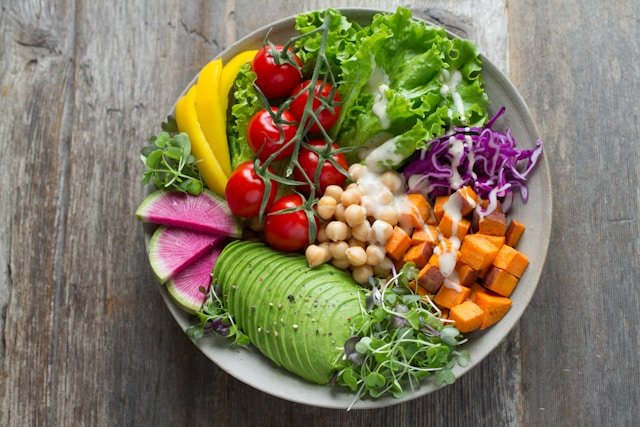

A balanced diet provides the body with the nutrients it needs to function properly, support everyday activities, and maintain overall well-being. Food supplies energy, but it also provides protein, carbohydrates, fats, vitamins, minerals, fiber, and other nutrients that play important roles throughout the body.
Building a balanced diet does not require following a strict meal plan or avoiding entire food groups. Instead, it involves choosing a variety of nutritious foods, creating sensible portions, and developing eating habits that can be maintained over time.
Whether you want to feel more energized during the day, improve your eating habits, or simply understand how to create more nutritious meals, learning the basic principles of a balanced diet can provide a useful foundation.
What Is a Balanced Diet?
A balanced diet is an eating pattern that includes a variety of foods in appropriate amounts to provide essential nutrients and energy. No single food contains everything the body needs, which is why variety is such an important part of healthy eating.
A well-rounded diet generally includes:
- Fruits and vegetables
- Whole grains and other carbohydrate-rich foods
- Protein-rich foods
- Healthy sources of dietary fat
- Dairy products or suitable alternatives
- Adequate fluids, particularly water
The ideal balance can vary from person to person. Someone who is highly active may have different energy requirements from someone who spends most of the day sitting. Age, lifestyle, dietary preferences, and individual nutritional needs can also influence what a balanced diet looks like.
Start With Plenty of Fruits and Vegetables
Fruits and vegetables are fundamental components of a nutritious diet. They provide vitamins, minerals, fiber, and a wide range of naturally occurring plant compounds.
Including a variety of produce can also make meals more interesting because different fruits and vegetables provide different flavors, textures, and nutrients.
Choose a Variety of Colors
Instead of eating the same vegetables every day, try to vary your choices. Leafy greens, tomatoes, carrots, peppers, broccoli, berries, oranges, apples, and other produce can all contribute to dietary variety.
Fresh produce is not the only option. Frozen and canned fruits and vegetables can also be convenient choices. When purchasing canned products, checking the nutrition label can help you identify options with less added sugar or sodium when appropriate.
Make Vegetables Part of the Main Meal
Vegetables do not always have to remain a small side dish. They can be incorporated into soups, stews, sandwiches, omelets, pasta dishes, rice meals, and salads.
Making vegetables a regular component of lunch and dinner can naturally increase the variety of your diet.
Choose Nutritious Sources of Carbohydrates
Carbohydrates are an important source of energy, particularly for daily activities and physical activity. Rather than avoiding carbohydrates, focus on choosing nutritious sources and appropriate portions.
Whole grains such as oats, brown rice, barley, and whole-grain bread can provide carbohydrates along with fiber and other nutrients.
Potatoes, sweet potatoes, beans, lentils, fruits, and other foods can also contribute carbohydrates to a balanced diet.
Prioritize Higher-Fiber Choices
Fiber is an important part of a healthy eating pattern. Foods that naturally contain fiber include whole grains, vegetables, fruits, beans, lentils, nuts, and seeds.
A simple way to increase fiber intake is to make gradual substitutions. For example, you could choose oatmeal instead of a refined breakfast option or add beans and vegetables to a rice-based meal.
Include Protein at Regular Meals
Protein is essential for many functions in the body and is particularly important for maintaining and repairing body tissues. Including protein in meals can also help make them more satisfying.
Protein can come from both animal and plant foods. Options include:
- Eggs
- Fish
- Chicken and other poultry
- Lean meats
- Yogurt and other dairy foods
- Beans
- Lentils
- Chickpeas
- Tofu
- Nuts and seeds
Combine Different Foods
You do not need to rely on one type of protein every day. Variety can make your diet more enjoyable and provide different nutrients.
For example, breakfast could include eggs and whole-grain toast, lunch could contain beans or chicken, and dinner could include fish, lentils, or another protein source.
Do Not Eliminate Healthy Fats
Dietary fat is another important component of a balanced diet. Fat provides energy and helps the body perform certain functions. The key is to pay attention to the types and amounts of fat in your overall eating pattern.
Foods such as nuts, seeds, avocados, olives, and certain fish provide sources of unsaturated fats.
Use Fats in Moderation
Healthy fats are nutritious, but they are also energy-dense, so portion awareness remains useful. Adding a small amount of nuts to breakfast, using an appropriate amount of olive oil when cooking, or including avocado in a meal can be practical ways to incorporate them.
Rather than focusing on completely eliminating fat, aim for a varied diet that includes nutritious sources.
Drink Enough Water Throughout the Day
Hydration plays an important role in everyday health and physical functioning. Water is generally an excellent choice for maintaining fluid intake without adding unnecessary sugar.
Your fluid needs can vary depending on factors such as weather, activity level, and individual circumstances.
Make Water Your Default Beverage
Keeping water available throughout the day can make hydration easier. A reusable bottle can be particularly convenient when working, traveling, or exercising.
If you do not enjoy plain water, adding lemon, lime, cucumber, or fresh fruit can provide flavor. Unsweetened tea can also be included as part of a varied beverage routine.
Build Meals With a Simple Structure
You do not have to calculate every nutrient in every meal. A simple meal structure can help you create balanced plates without making eating unnecessarily complicated.
Consider building meals around three main components:
- A protein source such as eggs, fish, poultry, beans, lentils, or tofu.
- Vegetables or fruit to add vitamins, minerals, and fiber.
- A carbohydrate source such as whole grains, potatoes, rice, or other nutritious options.
A moderate amount of healthy fat can also be included.
For example, grilled fish with roasted vegetables and potatoes can form a balanced meal. Another option could be lentils served with brown rice, vegetables, and a small amount of avocado.
Pay Attention to Portion Sizes
A balanced diet is not only about food quality. Portion sizes can also influence how much energy and nutrients you consume.
Eating very large portions regularly may provide more energy than your body requires, while consistently eating too little can make it difficult to meet nutritional needs.
Learn to Recognize Hunger and Fullness
Eating slowly can make it easier to notice your body’s signals. Instead of automatically finishing everything on your plate, consider whether you are still hungry as you eat.
Portion needs are different for everyone, so there is no single serving size that works for every person. The goal is to develop awareness rather than follow rigid rules.
Limit Added Sugar and Highly Processed Foods
Highly processed foods can be part of a balanced diet, and processing does not automatically make a food unhealthy. However, frequently choosing foods and drinks high in added sugar, sodium, or saturated fat can make it harder to maintain a nutrient-rich eating pattern.
You do not need to completely eliminate sweets or favorite foods. Instead, consider how often they appear in your diet and whether they are replacing more nutritious choices.
Make Healthier Substitutions
Small substitutions can be easier to maintain than strict restrictions. For example, you could choose fruit when you want something sweet, prepare meals with more vegetables, or replace sugary drinks with water more often.
These changes can gradually improve the overall quality of your diet without making meals feel overly restrictive.
Plan Meals to Maintain Daily Energy
Meal planning can make it easier to eat balanced foods consistently. When nutritious ingredients are already available, you are less likely to depend entirely on whatever food is quickest when hunger strikes.
Prepare Basic Ingredients in Advance
You can prepare some foods ahead of time without cooking every meal for the entire week. For example, you might wash vegetables, cook grains, prepare beans, or portion snacks in advance.
Having several versatile ingredients available allows you to create different meals quickly.
A simple weekly plan might include:
- A protein source for several meals
- A selection of vegetables
- Fresh or frozen fruit
- Whole grains or other carbohydrate sources
- Healthy fats such as nuts or seeds
- Convenient ingredients for quick meals
Planning does not need to be rigid. Leave room for changes based on your schedule and preferences.
Choose Foods That Support Long-Lasting Energy
Food can influence how satisfying and sustainable your meals feel throughout the day. Meals built around a combination of protein, fiber-rich carbohydrates, fruits or vegetables, and healthy fats can provide a more balanced nutritional profile than meals dominated by highly refined or sugary foods.
Create a Balanced Breakfast
Breakfast does not have to be large or complicated. A combination such as oatmeal with fruit and nuts, eggs with whole-grain toast and vegetables, or yogurt with fruit and seeds can provide several important nutrients.
If you do not normally eat breakfast, there is no universal requirement to force yourself to do so. What matters most is the overall pattern of your diet and whether your eating routine meets your nutritional needs.
Make Healthy Eating Sustainable
The best balanced diet is one that you can realistically follow. Extremely restrictive plans may be difficult to maintain because they can remove foods you enjoy or make everyday meals unnecessarily complicated.
Instead, focus on gradual improvements.
You might begin by adding more vegetables to dinner. Once that becomes routine, you could introduce more whole grains, increase the variety of protein sources, or reduce sugary beverages.
Avoid the All-or-Nothing Approach
Eating a less nutritious meal occasionally does not mean your entire diet has failed. Healthy eating is determined by your overall pattern, not one meal or one day.
Allowing flexibility can make it easier to maintain healthy habits over the long term. Enjoying favorite foods in moderation can be compatible with a balanced diet.
Create a Practical Daily Eating Routine
A balanced diet becomes easier when it fits naturally into your schedule. Consider what foods you enjoy, how much time you have available for cooking, and what options are realistic for your budget and lifestyle.
For example, a simple day might include oatmeal with fruit and nuts for breakfast, a chicken and vegetable whole-grain sandwich for lunch, fruit and yogurt as a snack, and fish or beans with vegetables and potatoes for dinner.
There is no requirement to eat exactly these foods. The important principle is to combine different food groups and maintain variety.
Conclusion
Building a balanced diet for better health and daily energy does not require complicated rules. The foundation is simple: eat a variety of fruits and vegetables, choose nutritious carbohydrate sources, include protein regularly, incorporate healthy fats, drink enough water, and pay attention to portions.
Meal planning and mindful eating can make these habits easier to maintain, while flexibility allows you to enjoy your favorite foods without turning healthy eating into a restrictive routine.
Rather than trying to change everything at once, focus on a few realistic improvements and build from there. A balanced diet is not about perfection. It is about creating a consistent eating pattern that provides essential nutrients, supports your daily activities, and can remain practical and enjoyable for the long term.

